
Some links in this post about fun winter holiday activities for kindergarteners are affiliate links. This means I may earn a small commission at no extra cost to you if you make a purchase through them. Thank you for supporting our content!
Winter break is a magical time for kindergartners, full of cozy moments, creative play as well as exciting adventures! As the days get colder and the holiday spirit fills the air, it’s the perfect opportunity to mix learning with fun. From crafting snowy masterpieces to sharing stories, baking sweet treats, and even setting kid-friendly New Year’s resolutions, these activities keep little ones engaged, active, and happy throughout the season.
In this guide, we’ve gathered top five winter holiday activities for kindergarteners that are easy to do both at home or school. They are also educational as well as tons of fun for children in kindergarten.
1. Winter Story Time
What it is
Above all, Winter Story Time is a cozy, screen-free reading ritual that turns chilly days into magical moments. It’s more than just reading a book—basically, it’s about creating a calm, inviting space where children can slow down, listen, imagine, and connect. Winter-themed stories filled with snow, holidays, and new beginnings help kindergartners relate to the season while sparking curiosity and wonder.
How to do it
Firstly, start by choosing a few age-appropriate winter or holiday books—think snowy adventures, friendly animals in winter, or simple New Year stories. Then, create a special reading nook using soft blankets, pillows, or even a small tent or corner by the window. Afterwards, dim the lights, add a warm lamp or string lights, and then invite your child to get comfortable.
As you read aloud, use both expressive voices and gestures to bring the story to life. Pause to ask gentle questions like:
- “What do you think will happen next?”
- “How do you think the character feels right now?”
- “Have you ever seen snow like this?”
To extend the activity, let kids act out parts of the story, draw their favorite scene afterwards, or retell the story in their own words. They can also use stuffed animals or simple props. Thus, reading is turned into an interactive experience rather than a passive one.
Why it’s beneficial
Winter Story Time plays a powerful role in early childhood development. Regular read-alouds help build vocabulary, comprehension, and listening skills, all of which are essential for early reading success. Hearing stories also supports emotional development, as children learn empathy by identifying with characters and their feelings.
Just as importantly, story time strengthens the parent-child bond. In a busy holiday season, these quiet moments of closeness provide comfort, security as well as meaningful connection. These are memories that children will carry long after winter ends. All in all, these positive reading experiences nurture a lifelong love of books and learning.

2. Winter Crafts Wonderland
What it is
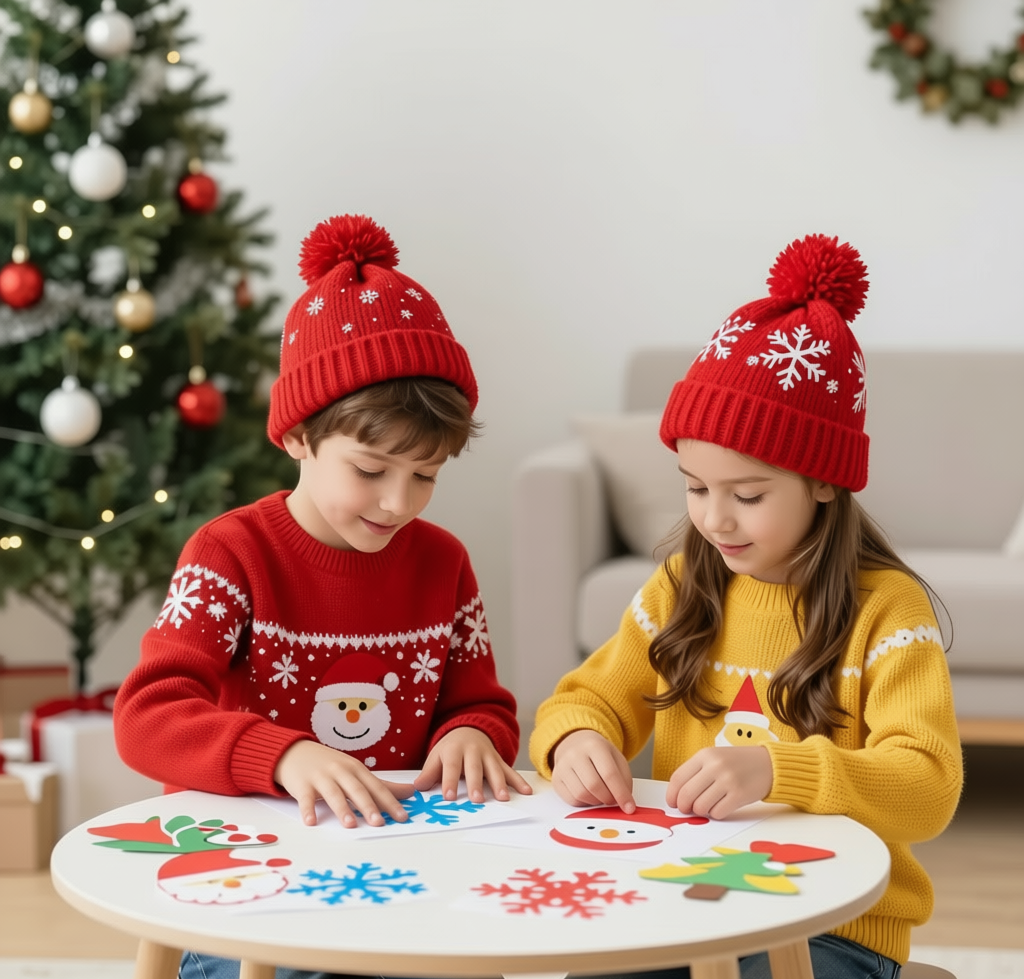
Winter Crafts are creative, hands-on activities for kindergarteners that allows children to explore winter themes through art. During the winter break outdoor time may be limited. Then, crafting becomes an especially valuable way for kindergartners to stay engaged, curious, and expressive. Additionally, winter-themed crafts such as snowflakes, snowmen, and holiday cards help children connect seasonal experiences to creative play.
How to do it
First, set up a dedicated craft space with easy-to-reach supplies such as paper, washable glue, crayons, markers, stickers, and child-safe scissors. Next, introduce one simple winter project at a time. For example, paper snowflakes, handprint snowmen, or decorated ornaments work especially well for this age group.
Meanwhile, encourage conversation as your child creates:
- “Why did you choose those colors?”
- “Who would you like to give this craft to?”
- “What makes your snowman special?”
Afterwards, display your child’s artwork around the house or save it as a keepsake. As a result, children feel proud of their efforts and motivated to create more.
Why it’s beneficial
Winter crafts significantly support fine motor development, which is essential for writing and classroom readiness. In addition, crafting improves focus, patience, and problem-solving skills. Most importantly, art allows children to express emotions they may not yet have words for. Therefore, crafting becomes both a creative outlet and an emotional support tool during the busy holiday season.
3. Outdoor Winter Adventures
What it is
Outdoor Winter Adventures encourage children to stay active and curious by embracing the winter season rather than avoiding it. Even though colder weather may seem limiting, outdoor play remains an important part of healthy childhood development. Furthermore, winter offers unique sensory experiences that children don’t get during other seasons.
How to do it
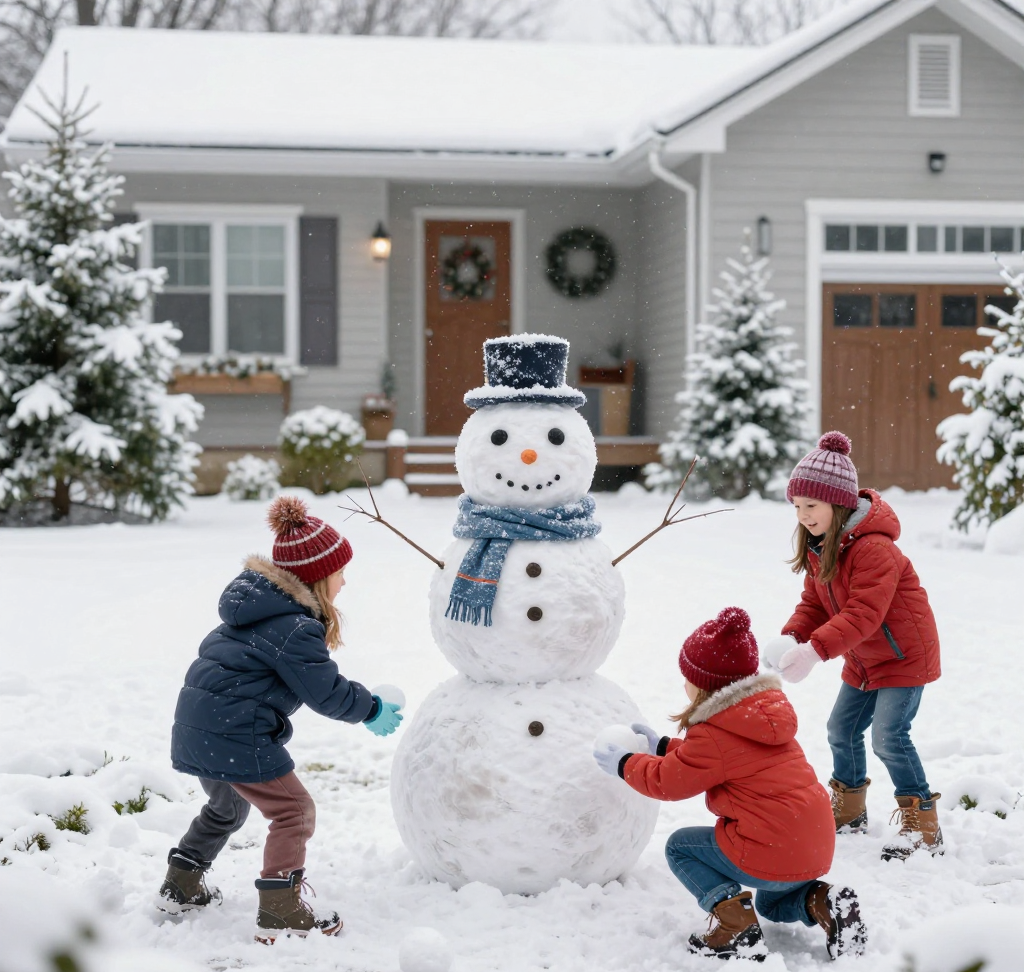
First, dress your child in warm, weather-appropriate clothing. Then, head outside for simple activities. If snow is available, build a snowman, make snow angels, or roll snowballs toward a target. On the other hand, if there’s no snow, go for a winter walk, collect pinecones, or look for animal tracks.
While outside, ask thoughtful questions such as:
- “What looks different in winter?”
- “How does the air feel today?”
- “Why do you think animals behave differently now?”
As a result, outdoor play becomes both physical exercise and a learning experience.
Why it’s beneficial
Outdoor winter play supports gross motor skills, balance, and coordination. In addition, fresh air and movement help regulate mood and reduce restlessness. Over time, children develop resilience and adaptability as they learn that fun and exploration can happen in any season. Therefore, outdoor play builds both physical strength and emotional confidence.
4. Holiday Baking Together
What it is
Holiday baking together transforms everyday kitchen tasks into meaningful learning moments. During winter break, baking becomes one of the best winter activities for kindergarteners because it combines warmth, creativity, and togetherness. Moreover, it gives children a sense of responsibility and belonging within the family.
How to do it
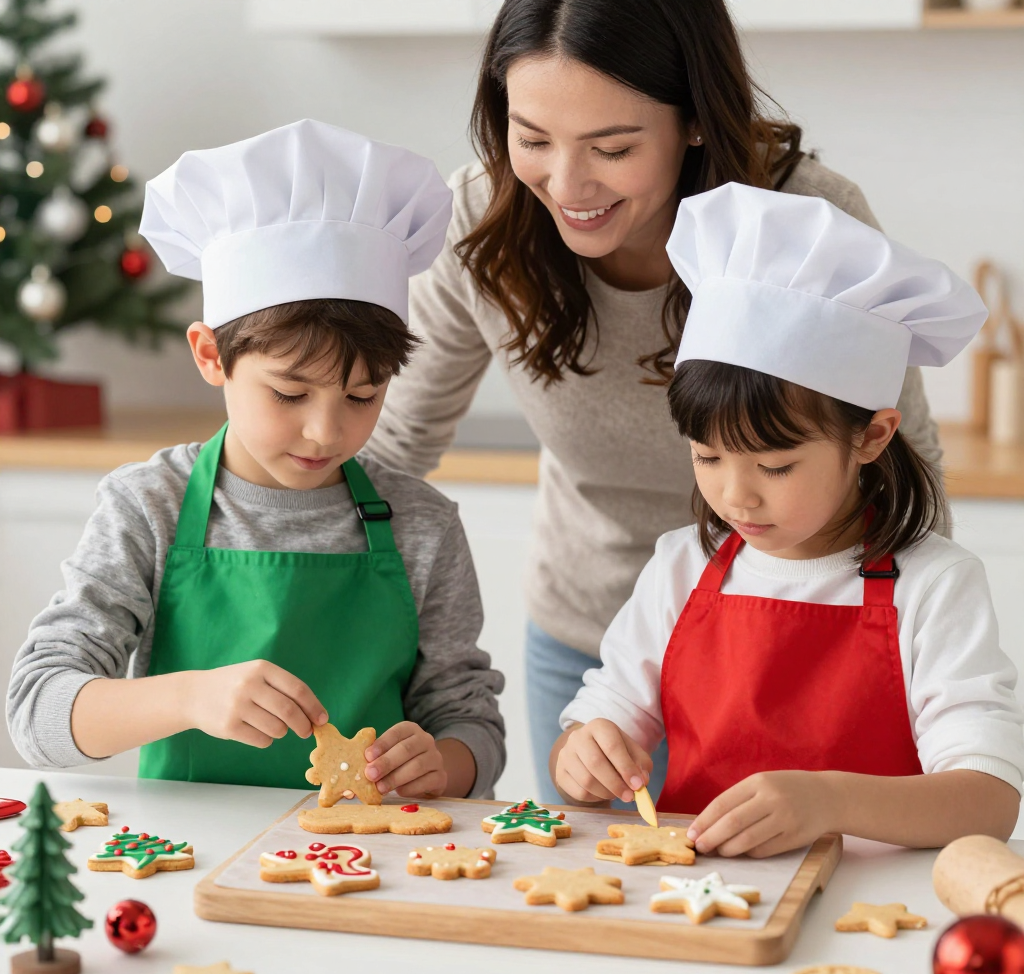
First, choose simple, kid-friendly recipes such as decorating cookies, mixing muffin batter, or preparing no-bake treats. Next, assign safe tasks like pouring ingredients, stirring, counting scoops, or adding decorations.
As you bake, talk through each step:
- “First, we measure.”
- “Next, we mix.”
- “Finally, we bake or chill.”
Afterward, enjoy the finished treats together or share them with others, reinforcing the joy of giving.
Why it’s beneficial
Baking naturally introduces early math, sequencing, and listening skills. In addition, children strengthen fine motor coordination and follow multi-step directions. Just as importantly, baking builds confidence. When children see their contribution turn into something real and delicious, they feel capable and valued. Therefore, baking supports both cognitive development and emotional well-being.
5. New Year’s Resolutions for Kids
What it is
New Year’s Resolutions for Kids is a gentle and positive way to introduce goal-setting at an early age. Rather than focusing on pressure or perfection, this activity emphasizes growth, effort, and hope. As a result, children learn that trying is just as important as succeeding.
How to do it
First, talk with your child about the new year in simple, encouraging language. Then, ask reflective questions such as:
- “What would you like to learn this year?”
- “What makes you feel proud?”
- “How would you like to help others?”
Next, have your child draw or write one small goal. After that, display it on a “Resolution Tree” or use The New Year’s Resolution Checklist. Throughout the year, revisit the goal and celebrate effort along the way.
Why it’s beneficial
This activity supports self-awareness, confidence, and emotional growth. In addition, it introduces planning and reflection in an age-appropriate way. Over time, children learn that goals are flexible and achievable. Therefore, this simple tradition helps build a strong foundation for resilience and a growth mindset.

Final Thoughts
Winter break doesn’t have to be a screen-filled or chaotic time. By including hands-on crafts, cozy story sessions, outdoor adventures, baking projects, and goal-setting exercises, parents and teachers can create meaningful memories while supporting children’s growth.
These activities not only spark creativity and imagination but also help build essential skills like problem-solving, coordination, communication, and self-confidence. So grab some blankets, art supplies, or cookie cutters, and make this winter holiday one that your kindergartner will remember fondly for years to come!