This post about how to make your child’s diet healthy contains affiliate links to amazon.com, which means I may receive a commission if you click a link and purchase something that I have recommended. While clicking these links won’t cost you any extra money, they will help me keep this site up and running. Thank you!
A healthy diet means a balanced and varied way of eating that provides the necessary nutrients, vitamins, and minerals required for optimal growth, development as well as overall well-being. That is why it is of utmost importance to know how to make your child’s diet healthy.
Why Is Healthy Diet Important
If you are wondering how and why a healthy diet can be beneficial to your child, then here’s the answer. It is absolutely crucial for:
Proper Growth And Development
A balanced and nutrient-rich diet provides the essential nutrients, vitamins, and minerals. You child needs them for both optimal growth and development during childhood. These nutrients support the development of bones, muscles, organs, and the brain, laying the foundation for lifelong health.
Energy And Vitality
A healthy diet will ensure that your child gets an adequate intake of carbohydrates, proteins as well as healthy fats. These, as a result, provide the energy necessary for children to engage in physical activities, concentrate in school, and participate actively in daily life.
Strong Immune System
A diet rich in fruits, vegetables, whole grains, and lean proteins provides important antioxidants. It is also a great source of vitamins (such as vitamin C and vitamin A) and minerals (such as zinc and iron) that support a strong immune system. A robust immune system helps children fight off illnesses and infections.
Brain Development And Cognitive Function
Proper nutrition, including omega-3 fatty acids, vitamins, and minerals, is crucial for brain development and cognitive function in children. Nutrients like iron and iodine are essential for optimal brain development, learning, memory as well as good concentration.
Weight Management
A healthy diet helps children maintain a healthy weight, reducing the risk of childhood obesity and related health issues. By promoting the consumption of nutrient-dense foods and limiting high-calorie, low-nutrient foods, a healthy diet helps establish good eating habits. It is also important to check your child’s weight regularly. You can use a smart scale to monitor the weight and make sure that it is within the normal range.
Reduced Risk Of Chronic Diseases
Establishing healthy eating habits during childhood can have great long-term benefits. This means a reduced risk of chronic diseases later in life. By eating healthily, you child is less likely to suffer from heart disease, type 2 diabetes, high blood pressure as well as certain types of cancer.
Improved Mental And Emotional Well-Being
And last but not least,a healthy and nutritious diet can positively impact a child’s mental and emotional well-being. Research suggests that certain nutrients, such as omega-3 fatty acids and B vitamins, can support brain health, mood regulation, and reduce the risk of mental health disorders.
How To Make Your Child’s Diet Healthy
And now that you know the importance of nutritious eatinh, let’s see how to make your child’s diet healty.
Include A Variety Of Fruits And Vegetables
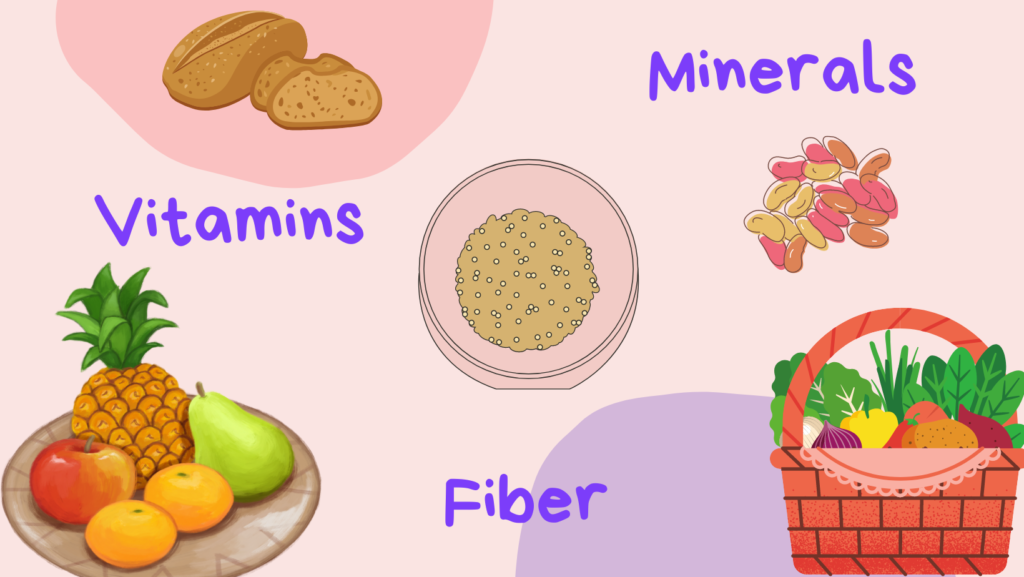
Make sure your child consumes a colorful assortment of fruits and vegetables daily. These provide essential vitamins, minerals, and fiber. Encourage your child to try new fruits and vegetables by offering them in different forms. The healthiest way to serve them is raw, but you can also steam or roast them. Another good idea is to make yummy smoothies that are boud to appeal to your little one. Just make sure you have a good blender. You can also use the blender to prepare homemeade nut milk. It is super quick and easy.
Choose Whole Grains
Opt for whole grains such as whole wheat bread, brown rice, quinoa, and oats instead of refined grains. Whole grains are rich in both fiber and nutrients. As a result, they provide your child with loads of energy while aiding digestion.
Limit Processed Foods
Processed foods often contain high amounts of added sugars, unhealthy fats, and artificial ingredients. Minimize your child’s consumption of processed snacks, sugary cereals, fast food, and sugary beverages. Instead, cook homemade meals and snacks using fresh ingredients whenever possible.
Reduce Added Sugars
Be mindful of the amount of added sugars in your child’s diet. Limit sugary drinks, candies, cookies, and desserts. Read food labels and choose products with lower sugar content. Always choose healthier alternatives, such as fresh fruit as a sweet treat.
Encourage Regular Water Intake
Water is essential for hydration and overall health. Encourage your child to drink water throughout the day instead of sugary drinks. Limit their consumption of fruit juices and soft drinks, as these can be high in added sugars. Offer a comfortable water bottle that you child can carry with them at all times.
Provide Lean Protein Sources
Include lean protein sources in your child’s diet such as poultry, fish, beans, lentils, tofu, and low-fat dairy products. There are also lots of vegan sources of protein in case you want to reduce meat consumption. Protein is crucial for growth, development, and repair of tissues.
Control Portion Sizes
Be mindful of portion sizes, as overeating can lead to excess weight gain. Try offering smaller portions and encourage your child to eat slowly. They should learn to listen to their body’s hunger and fullness cues.
Involve Your Child In Meal Planning And Preparation
Engage your child in meal planning and preparation. Take them grocery shopping and let them choose healthy foods they enjoy. Involve them in cooking and teach them about nutritious ingredients. Then show them how to prepare balanced meals. You may consider buying an instant pot. Not only does it contribute to healthy cooking, but it is also really easy to use it. Instant pots offer various programmes for diffrent cooking methods, including pressure cook and steaming.
Be A Role Model
Set a good example by following a healthy diet yourself. Children are more likely to adopt healthy habits if they see their parents or caregivers practicing them consistently.